
Tokyo has more than 500 restaurants listed on Halal Gourmet Japan (as of October 2026). With that many to choose from, it helps to start from what you feel like eating.
This article sorts Tokyo restaurants by what you want to eat — wagyu, ramen, sushi and other Japanese food, international food, burgers and Western food, and places for a break — and highlights some of the places in each. Everything said about a restaurant comes from the description on its listing page. To find places to pray, see our area-by-area guide to prayer spaces in Tokyo.
Wagyu
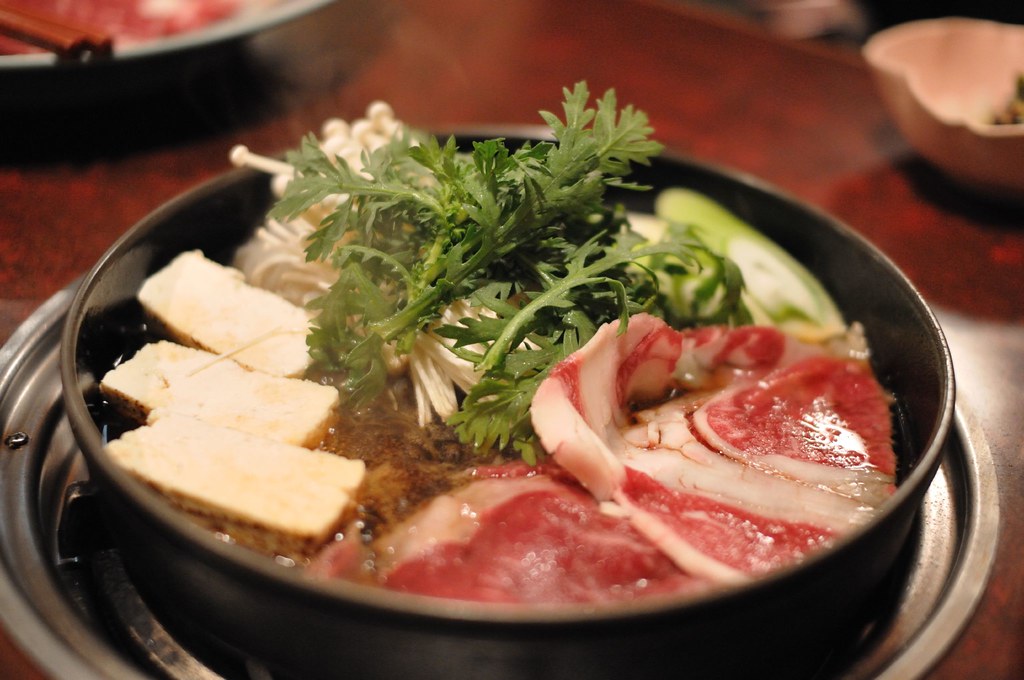
Tokyo has halal-friendly wagyu restaurants for yakiniku (Japanese barbecue), shabu-shabu and sukiyaki alike.
HALAL Wagyu Yakiniku SHOUTAIAN in Kanda is a yakiniku restaurant that obtained halal certification in 2025. Halal Wagyu Yakiniku PANGA Ueno, about a minute’s walk from JR Okachimachi Station, says it uses only halal ingredients. At Gyumon in Shibuya, you can have halal yakiniku in a traditional Japanese house. With 45 seats and private rooms, it suits families and groups.
HALAL Wagyu Shabu-Shabu SHOUTAIAN in Ikebukuro specializes in shabu-shabu and sukiyaki made with certified halal A5 Japanese Black wagyu. THE SLICE HALAL Wagyu in Omotesando serves sukiyaki and shabu-shabu made with certified halal wagyu, along with a sesame sauce it makes from scratch. Halal SUKIYAKI Restaurant Diyafa in Shiba, Minato, serves Japanese food made with halal wagyu and seasonal ingredients.
At GINZA THE EMPEROR in Ginza, you can try halal Kobe beef as well as halal Shiretoko beef from Hokkaido.
Some of the restaurants above do not list Pork Free or No Alcoholic Drinks in their Conditions. If either matters to you, check the listing page.
Ramen
SHINJUKU-TEI serves ramen made with certified halal wagyu. It has six branches in Tokyo (Shinjuku, Yotsuya, Shibuya, Ginza, Ueno Park and Asakusa). The original branch is in Yotsuya, and it reportedly has some dishes you can only get there.
Halal Ramen & Dining Honolu Ebisu is known for its spicy ramen. It also serves familiar Japanese dishes such as sukiyaki and takoyaki (octopus balls), and there is a prayer space inside. Ayam-YA Shin-Okachimachi makes its ramen without artificial seasonings, with rich and spicy bowls as well as tsukemen (dipping noodles). KUMAHACHI, a small shop in Sumida, describes itself as a good place to see how people in Japan eat ramen day to day.
Mazulu Halal Beef Noodle in Jimbocho specializes in Lanzhou beef noodles from China. The broth is made from beef bones and more than ten spices, and the noodles are handmade. At TOKYO SHAANXIMIANGUAN in Takadanobaba, you can have noodle dishes from Shaanxi in China; no alcohol is served.
To learn where pork and alcohol tend to show up in ramen, see our article on what to check in ramen broth and sauces.
Sushi, tendon and other Japanese food
Sushiken Asakusa describes itself as the first halal sushi restaurant in Tokyo. It says every ingredient, including the soy sauce, vinegar, rice and gari (pickled ginger), is halal. For the types of sushi and the terms you will see, read our guide to sushi types and terms.
Tendon Ginza Itsuki Tokyu Plaza Ginza Branch specializes in tendon (tempura over rice). It does not take reservations, so just walk in. On the second basement floor of Seibu Shibuya Building A, Gohan Cafe is a casual place for teishoku (a set meal of a main dish with rice and miso soup) and tempura.
Looking out over the Sumida River, Gonpachi Asakusa Azumabashi serves handmade soba, skewers and temaki (hand-rolled sushi). Reservations are required. Tokitarazu, about five minutes’ walk from Ebisu Station, offers a tuna course meal (reservation only) in a traditional Japanese house.
For a special occasion, Ryotei KINSUI at Hotel Chinzanso Tokyo offers a kaiseki (multi-course) meal made with halal-certified ingredients. The restaurant itself says it is not a halal-certified restaurant. You need to book at least seven days ahead.
Indian, Turkish, Middle Eastern and more
Indian restaurants alone account for more than 100 of the listings in Tokyo. Here are a few places with a distinct regional style.
Marhaba, a Pakistani restaurant in Ikebukuro, describes itself as the first halal restaurant in Japan. It has more than 80 dishes on the menu, and its biryani and mutton dishes are said to be popular. MUGHLAI CUISINE RESTAURANT Mashal in Omori serves Mughlai cuisine, the cooking of India’s royal courts, and also has a vegetarian menu.
At the Turkish restaurant Bosphorus Hasan Shinjuku, the lamb, beef and chicken kebabs are popular. SilkRoad Tarim Uyghur Restaurant in Nishi-Shinjuku has specialized in Uyghur food since 2010. TOKYO MUSLIM HANTEN in Sumida serves Chinese food built around lamb, and its grilled lamb spare ribs are the signature dish. MALAY ASIAN CUISINE in Shibuya has around 50 Malaysian dishes.
CARVAAN TOKYO, on the 12th floor of Shibuya Scramble Square, serves Mediterranean and Arabian dishes. There is also Palestinian food at AL MINA in Kanda, Syrian food at Palmyra in Ikebukuro, and Iranian food at ALADDIN in Hiroo.
Burgers and Western food
Hangry Joe’s Tokyo in Akihabara is the first Japanese branch of an American hot chicken burger chain. It says the chicken breast it uses is halal. LUXE BURGERS in Ningyocho serves lamb burgers made without mayonnaise, and there is also Luxe Burgers & Sunny’s Table Asakusa Branch in Asakusa.
Melting hamburger steak Fukuyoshi Asakusa Kuramae is known for its Japanese Black wagyu hamburger steak.
Places to take a break
Asakusa Umegen, in Nishi-Asakusa near Kappabashi Street, has been making traditional Edo-style Japanese sweets for 100 years and says it makes everything by hand, without machines. Nearby, at NINJA Cafe ASAKUSA, you can dress up as a ninja, experience Japanese culture and have a meal.
Other ways to search
If you have not decided what to eat, browse all restaurants in Tokyo. To see only restaurants where you can pray inside, use the list of restaurants with a prayer space.
Before you set out
Listing details can change without notice. Please check the menu and the current details on the linked page and at the restaurant itself.
Each listing page describes that restaurant’s halal arrangements — certification, ingredients, kitchen practice, and so on. Please read the listing and decide whether the restaurant meets your own standards.
To wrap up
Kobe beef in Ginza, sushi and Japanese sweets in Asakusa, biryani in Ikebukuro, Malaysian food in Shibuya: each part of Tokyo has something of its own. Once you know where you are staying and where you want to go, open the listing pages of the restaurants nearby and check their halal details for yourself.
If you would like to plan your day around where to pray as well, see our guide to prayer spaces in Tokyo.
Image credits
This article was written by the Halal Gourmet Japan team. On Halal Gourmet Japan, you can search for halal-friendly restaurants and prayer spaces all over Japan. The service is also available as an app (iOS / Android).
After seeing his Muslim friends struggle to dine out in Japan, he founded Halal Gourmet Japan, a restaurant search service for Muslims, and has been running it for more than a decade since its launch in 2014. He also co-founded Food Diversity Inc. (formerly Halal Media Japan; he has since stepped down), and has deep expertise in halal support for restaurants and Muslim-oriented inbound tourism. Halal Gourmet Japan is one of Japan’s largest halal-friendly restaurant search services, used in more than 140 countries, introducing halal-friendly restaurants and prayer spaces across Japan in multiple languages.
